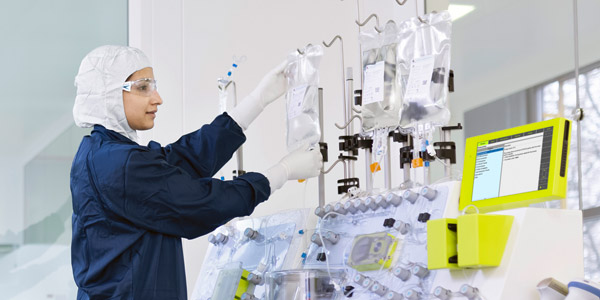
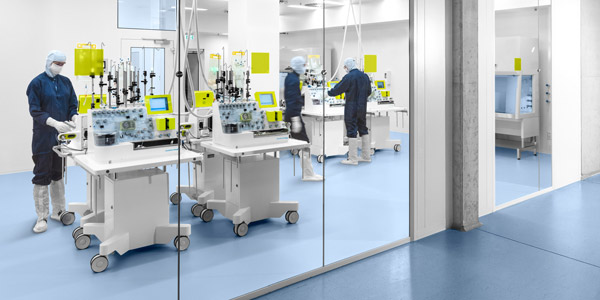
A call for thoroughness from Shaan Gareeb, Site Head, Miltenyi Bioindustry, San Jose (CA, USA)
The cell therapy landscape has shifted dramatically. With funding tightening, sponsors are rethinking how to bring therapies to market – building in-house capabilities or outsourcing to a CDMO in an increasingly saturated market. In many cases, the CDMO route makes sense when factoring in commercialization risk. But gone are the days of choosing from a few dominant players. Today, it's not enough to pick a provider. You need a true collaborator built for flexibility, expertise, and innovation. But with dozens of CDMOs now vying for your business, how do you separate genuine capability from polished sales pitches – and what questions should you be asking before you sign on the dotted line?
Let’s be honest about the pressures sponsors face when developing, transferring, and manufacturing cell therapy products:
Now, picture this: A sponsor arrives with a promising candidate and a finite budget. The IND milestone is the gateway to future funding. The CDMO proposes an aggressive timeline and best-case pricing. Then development begins, assays evolve, processes change, timelines slip. Costs rise while cash burns. Clinical manufacturing starts, but patient realities disrupt forecasts, and the sponsor is stuck paying reservation or cancellation fees.
So, what does flexibility truly mean for a CDMO? It’s about sharing risk – building a model that benefits both sides while supporting the sponsor through uncertainty, adjusting schedules without penalties, and adapting processes without sacrificing quality or compliance. It’s collaboration tested in real life, not just promised in a proposal.

The sponsor's journey is defined by uncertainty. The right partner doesn't just acknowledge that reality – they design their services and communication to mitigate risk and plan for variability. Uncertainty appears in predictable places, and a CDMO worth partnering with has a clear answer for each of them.
Quality
Will the product meet specifications during development? Sometimes additional runs are needed — and when they are, timelines slip and cash burns faster than any model projected. A genuine partner builds buffers into the plan from the start, flags the risk of excluding them, and offers additional runs at cost or less to reduce the financial impact on the sponsor. The question isn't whether things will go wrong. It's whether your CDMO has designed for that possibility in advance.
Delivery
Timelines slip when risks and dependencies aren't made explicit before work begins. The right CDMO provides an aggressive but detailed timeline that names its assumptions openly: how many full-scale runs are expected and why that number isn't guaranteed, what client-provided materials are needed and by when, how long document reviews must take to keep the program on schedule. When those assumptions are visible, sponsors can manage them. When they're hidden, they become change orders.
Operations
Patients opt out. Enrollment slows. Slots go unused. And in a rigid CDMO model, the sponsor pays for all of it — reservation fees, cancellation fees, capacity held for programs that couldn't proceed on schedule. A truly flexible partner limits penalties for missed slots, offers flexible production paradigms that reflect real-world clinical variability, and creates incentives for hitting scheduled slots rather than simply punishing misses.
The goal isn't perfection — it's predictability through transparency. When a CDMO shares assumptions, risks, and contingency plans upfront, sponsors can plan with confidence instead of hope.
Now we’ve gotten the sponsor to clinic, but how do we sustain success? The next time a CDMO works with a customer, platforms may have changed, new technology emerges, and targets shift. There’s always something new. For sponsors to stay competitive, they need a partner that can bring in relevant technologies over time to improve process capability, tackle new drug targets, lower costs, and shorten vein-to-vein time.
Sponsors benefit most when their CDMO brings deep platform knowledge and access to technologies that evolve with the science, expertise, and innovation. At Miltenyi Bioindustry, innovation is a core discipline. Our R&D headquarters develops technologies not broadly available on the market, and our CDMO helps onboard these innovations with customers while providing feedback to R&D. Just as important, Miltenyi Biotec technologies are established at several CDMOs, so when you’re developing on Miltenyi Biotec platforms, you’re working with the people who know the technology best. This combination of cutting-edge capability and practical transferability helps programs avoid dead ends, reduce rework, and iterate faster.
While we’ve discussed flexibility, innovation, and expertise, partnership goes beyond – it’s a structure that needs to be built. At Miltenyi Bioindustry, we start with how the sponsor’s project is managed. We provide a single point of contact across the lifecycle, so decisions move faster and communication never becomes a bottleneck. In development, we draw on our in-house platforms and the broader Miltenyi ecosystem to accelerate iteration. In manufacturing, we keep processes streamlined, quality-minded, and cost-effective, so roadblocks are resolved quickly and trials stay on track.
We provide flexible patient scheduling solutions that don’t penalize sponsors for situations beyond their control. Over the years, we’ve redesigned how we work based on what we’ve learned from customers, with the simple aim of enabling the journey to commercial. And we’ve seen the impact firsthand: partners like Tr1x Bio have spoken to the value of flexibility and support throughout their programs.
The CDMO market isn’t just crowded, it’s at a crossroads. Sponsors don’t need more providers; they need partners who understand uncertainty and design for it. Flexibility, expertise, and innovation aren’t optional, they’re the foundation for success in a world where timelines are compressed and cashflows are tight. The future belongs to CDMOs that treat collaboration as a discipline, not a tagline. The question is: are we ready to build partnerships that truly reflect the realities of cell therapy?
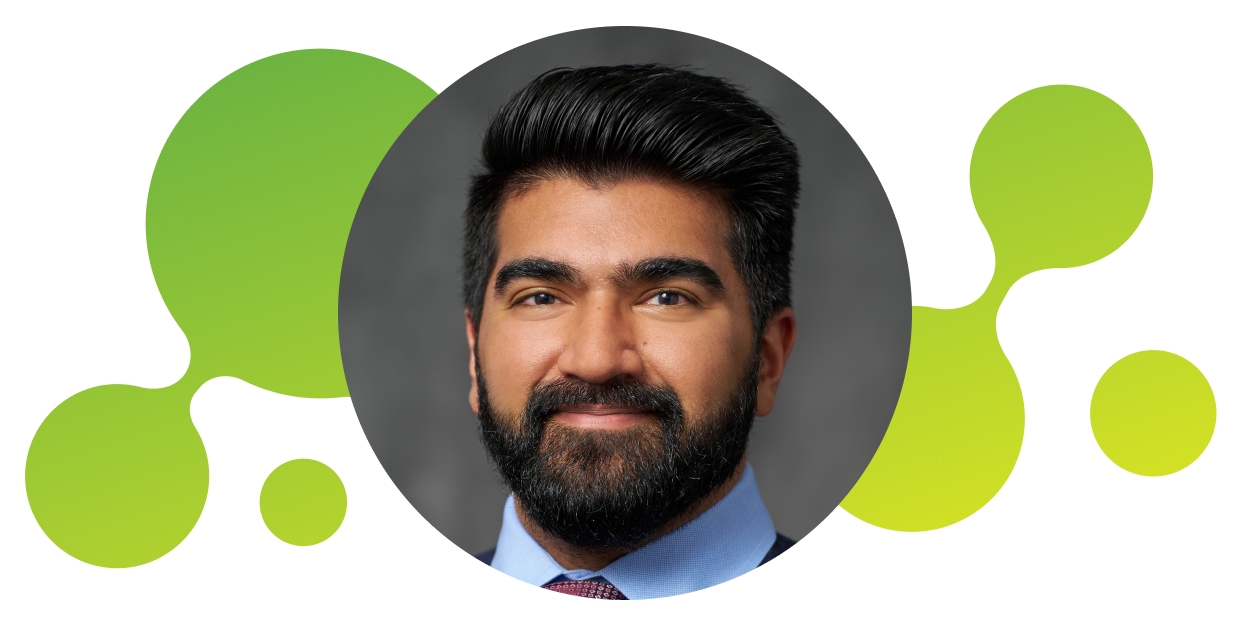
Shaan Gareeb is the Miltenyi Bioindustry Site Head at San Jose (CA). He brings a strong background in industrial engineering and has been a key leader at Miltenyi Bioindustry since joining as head of manufacturing four years ago. Now serving as site head, he oversees all operations and ensures that teams across departments work seamlessly together to deliver efficient, integrated support for client programs.